

Punjab Tour Package — 2 Nights 3 Days
Rs.7999.00/Person
Punjab, meaning “the land of five rivers,” is one of northern India's most historically layered and culturally vibrant states, bordering Pakistan to the west and cradled by the Sutlej, Beas, and Ravi rivers. Its principal pilgrimage and heritage city, Amritsar, sits approximately 450 kilometres from Delhi and roughly 30 kilometres from the Wagah-Attari international border, making it one of the most accessible and rewarding heritage circuits in north India. Punjab occupies a place in the Indian imagination unmatched by almost any other region — as the spiritual home of Sikhism, the site of pivotal moments in India's freedom struggle, and the source of a hospitality culture, langar tradition, and cuisine celebrated across the world.
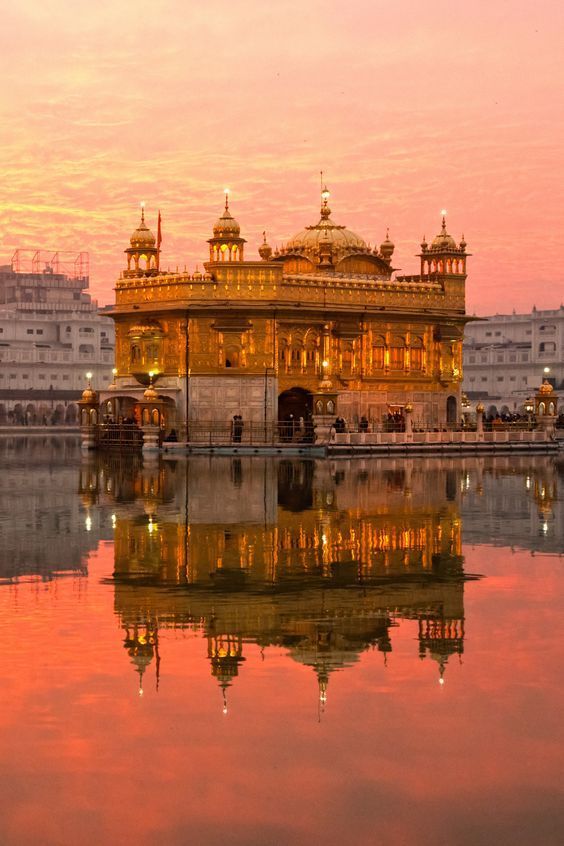
Punjab holds the distinction of being home to the Harmandir Sahib (Golden Temple), the holiest shrine of Sikhism and one of the most visited religious sites on earth, where the Guru Granth Sahib is enshrined and a community kitchen feeds over 100,000 people daily without regard to faith, caste, or nationality. Key landmarks include the Golden Temple complex and its sacred Amrit Sarovar, the Jallianwala Bagh memorial, the Partition Museum, the Wagah Border retreat ceremony, Gobindgarh Fort, Durgiana Temple, and the historic gurdwaras of Anandpur Sahib. A Punjab tour package brings together this rare combination of living faith, martial history, and warm Punjabi hospitality into a single, deeply memorable travel experience.
Punjab's institutional and historical credentials are exceptionally well documented. The Golden Temple's foundation stone was laid in 1588 by the Sufi saint Mian Mir at the invitation of Guru Arjan Dev, the fifth Sikh Guru, and its gold-plated sanctum was completed under Maharaja Ranjit Singh in the early 19th century. Jallianwala Bagh is administered as a national memorial trust commemorating the events of 13 April 1919. Anandpur Sahib, one of the five Takhts (seats of temporal authority) of Sikhism, was founded by Guru Tegh Bahadur in 1665 and is where Guru Gobind Singh created the Khalsa in 1699. For travellers choosing a Punjab tour operator, it is advisable to verify that Wagah Border transfers and seating are arranged through BSF-recognised entry protocols, since access and seating fill up quickly, especially on weekends.
For Pilgrims & Spiritual Travellers
Punjab is the spiritual headquarters of Sikhism. Pilgrimage packages combine darshan at the Golden Temple with visits to Durgiana Temple, Mata Lal Devi Temple, and — for those extending their journey — the historic gurdwaras of Anandpur Sahib. Volunteering an hour in the Golden Temple's langar kitchen, an experience open to all visitors regardless of faith, is widely regarded as one of the most moving things a traveller can do in India.
For History & Heritage Travellers
Amritsar sits at the emotional centre of two defining chapters of modern Indian history — the freedom struggle and Partition. Jallianwala Bagh preserves the bullet-scarred walls and the well associated with the 1919 massacre, while the Partition Museum, housed in the restored Town Hall, uses oral histories, personal artefacts, and archival material to document the 1947 division of Punjab. Gobindgarh Fort, once a Mughal-Sikh-British military stronghold, now offers heritage walks, light shows, and museum exhibits within its restored ramparts.
For Families
Punjab is genuinely family-friendly — the Golden Temple complex is accessible with wide marble parikrama paths suited to children and elderly members alike, and the Wagah Border retreat ceremony, with its synchronised drills, patriotic music, and roaring crowds, is an experience that captivates travellers of every age. Family packages balance devotional sightseeing with lighter cultural stops, making for a trip that is both memorable and meaningfully educational for younger travellers.
Highlights
- Darshan and parikrama at the Golden Temple (Harmandir Sahib) — Sikhism's holiest shrine, day and illuminated night visit
- Seva experience at the Golden Temple's langar — the world's largest free community kitchen
- Solemn visit to Jallianwala Bagh, site of the 1919 massacre
- Immersive walkthrough of the Partition Museum at Town Hall
- Ringside experience of the electrifying Wagah Border retreat ceremony
- Heritage walk and evening light show at Gobindgarh Fort
- Darshan at Durgiana Temple, Amritsar's own ‘Silver Temple’
- Shopping for phulkari, juttis, and Amritsari specialities in Hall Bazaar and Guru Ka Bazaar
- Traditional Punjabi thali and folk dinner with live dhol and bhangra
- Optional add-on excursion to Anandpur Sahib, birthplace of the Khalsa
Included and Excluded
- Accommodation for 2 nights in guesthouse, hotel, or heritage property as per chosen package tier
- Daily breakfast and dinner
- Private cab for all transfers and sightseeing, including Wagah Border and airport / station transfers
- Guided heritage tour including Jallianwala Bagh, Partition Museum, Gobindgarh Fort, and Durgiana Temple
- Assisted darshan and langar seva arrangement at the Golden Temple, day and night visit
- Reserved seating assistance for the Wagah Border retreat ceremony
- Traditional Punjabi folk dinner with live dhol and bhangra performance (one evening)
- All applicable road, parking, and entry tolls
- GST not included
- Airfare or train tickets to / from Amritsar
- Airfare or train tickets to / from Amritsar
- Anandpur Sahib excursion (available as an add-on supplement)
- Personal offerings, karah prasad donations, or special sewa contributions at gurdwaras
- Shopping, spa treatments, and personal expenses
- Travel insurance — strongly recommended and available as an add-on
- Camera and videography charges at the Partition Museum and certain heritage sites
- Alcohol and non-vegetarian food inside gurdwara premises — prohibited by strict religious protocol at all Sikh shrines
- Any expenses arising from weather disruptions, road closures, or force majeure events
- Tips and gratuity for guides, drivers, and hotel staff
Tour Plan
Arrival & Evening at the Golden Temple
Delhi → Amritsar
Arrive in Amritsar by flight, train, or road, and check into your accommodation by early afternoon. After a light lunch, visit Durgiana Temple before making your way to the Golden Temple as the afternoon light softens. Join the parikrama around the Amrit Sarovar, take darshan inside the Harmandir Sahib, and spend time simply absorbing the atmosphere — the recitation of Gurbani, the golden reflection on the water, and the constant, quiet flow of pilgrims. In the evening, take part in the langar seva, sitting down for a meal alongside thousands of strangers in the tradition of equality that defines the shrine. Return after dark for a second, illuminated view of the temple, widely considered the most beautiful sight in Amritsar. Overnight in Amritsar.
Partition History, Jallianwala Bagh & Wagah Border
Full Day in Amritsar
Rise early and, after breakfast, walk to Jallianwala Bagh, just a few minutes from the Golden Temple, and spend time at the memorial and the preserved bullet-marked walls. Continue to the Partition Museum, where oral histories and personal artefacts trace the human cost of 1947 — allow at least 90 minutes for a meaningful visit. After lunch, spend an hour or two at Gobindgarh Fort, exploring its museums and restored ramparts, or shopping for phulkari, juttis, and Amritsari specialities in Hall Bazaar. In the late afternoon, transfer to the Wagah Border, approximately 30 kilometres away, arriving early to secure good seating for the retreat ceremony. Experience the drills, the music, and the roar of the crowd as the flags are lowered at sunset, before returning to Amritsar for a Punjabi folk dinner with live dhol and bhangra. Overnight in Amritsar.
Morning Darshan, Bazaar Walk & Departure
Amritsar → Delhi / Onward
Begin the day with a final visit to the Golden Temple for a peaceful morning darshan, quieter than the previous evening's crowds. After breakfast, check out from your accommodation and, time permitting, take a short drive past Ram Bagh Gardens and the Summer Palace of Maharaja Ranjit Singh, with a last stop for shopping in Guru Ka Bazaar. Transfer to the airport, railway station, or begin the road journey back to Delhi, arriving by evening.